Product category
Surface & Trash Pumps
Pumps that sit above the water and pull it up: shallow wells, ponds, creeks, tanks, and the muddy water a clean-water pump would choke on.
[PLACEHOLDER — photo or rendering of the exact surface-pump model offered in the US]
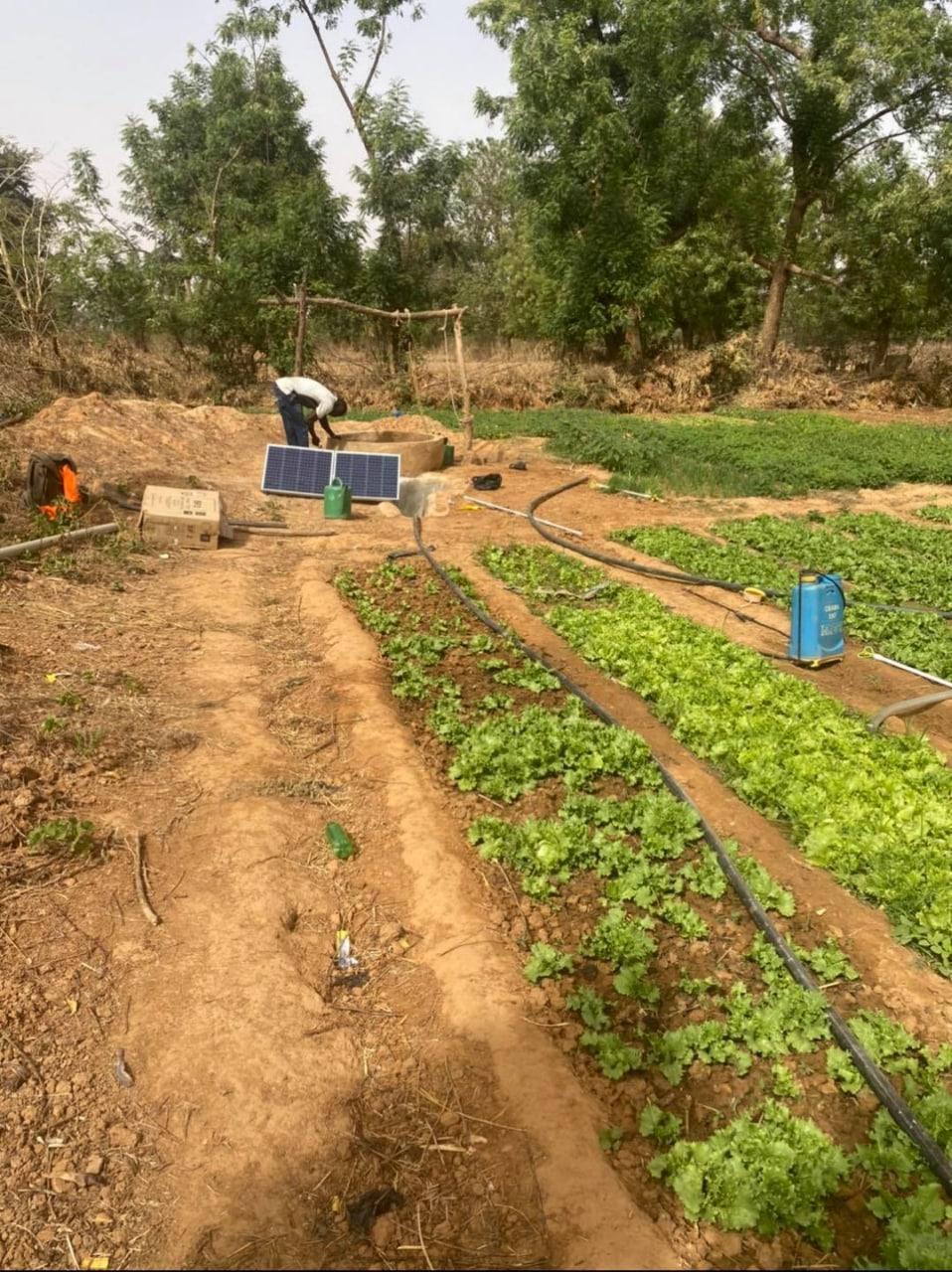
Proven in Burkina Faso
Shallow-water and surface pumps, including trash pumps built to move dirty water with solids in it — ponds, canals, sumps, flooded ground.
Our sister company, Buy-US Solar SARL, sells and services this class of equipment in West Africa, in heat and dust and without a grid to fall back on. That is the standard we import against. What “field-proven” means here →
Use cases
What people use these for.
- Pond, creek and canal transferMove surface water to a tank, trough or irrigation line without a permanent installation.
- Shallow wells and cisternsWhere the water is close enough to the surface that a submersible is overkill.
- Dirty water and flood clean-upTrash pumps pass solids that would jam a standard impeller — sumps, flooded barns, construction pits.
- Portable useSet it down, drop the suction hose, run it. Nothing to lower down a casing.
Specifications
What we will publish, once we can prove it.
These are the rows that matter for this category. The values are deliberately blank until they are confirmed.
| Specification | Value |
|---|---|
| Maximum flow rate (GPM) | [TIM: per model] |
| Maximum head (ft) | [TIM: per model] |
| Maximum suction lift (ft) | [TIM] |
| Maximum solids passed (in) | [TIM: trash-pump models only] |
| Inlet / outlet size | [TIM] |
| Priming | [TIM: self-priming? confirm per model] |
| Power source | [TIM: solar DC / AC / engine — confirm per model] |
| Operating voltage (VDC) | [TIM] |
| Maximum input power (W) | [TIM] |
| Impeller material | [TIM] |
| Housing / casing material | [TIM] |
| Seal type | [TIM] |
| Dry-run behaviour | [TIM] |
| Unit weight (lb) | [TIM] |
| Warranty term | [TIM: months, and what it covers] |
| Safety listings | [TIM: none claimed until we hold the certificate in writing] |
| Country of manufacture | [TIM/VERIFY — pending country-of-origin determination] |
Every value marked [TIM] is a placeholder. Real figures will be published only once they are confirmed against the manufacturer’s datasheet and our own field results. We would rather show you a blank than a number we cannot stand behind.
Questions
Frequently asked
What is the difference between a surface pump and a trash pump?
A surface pump sits above the water and draws it up through a suction hose; it expects reasonably clean water. A trash pump is a surface pump with a larger, more forgiving impeller and passage, so it can move water carrying mud, leaves and small solids without clogging. If your water source has debris in it, you want the trash pump.
How far above the water can the pump sit?
That is the suction-lift figure in the table above. Physics caps it well below what people expect, and altitude reduces it further. Tell us the vertical distance from the water surface to where the pump will sit and we will confirm it works before quoting.
Can I run one directly from a solar panel?
For the solar-DC models, yes — that is the design intent. Model-by-model array sizing will appear in the spec table once confirmed.
Will it handle sand?
Abrasive sand is hard on any pump, trash pumps included. Impeller and seal materials are listed in the spec table; we will give you a straight answer about expected service life in sandy water for a specific model rather than a blanket claim.
Can I use one for potable water?
No — we do not offer any pump on this site for potable or domestic drinking-water supply. Suitability for drinking water depends on certification of the wetted materials of the specific model and on state and local acceptance. [TIM/VERIFY: NSF/ANSI 61 certification, lead-free compliance and state acceptance — all unresolved.] Until that is confirmed in writing, we will not describe any model as potable-rated; treat these as irrigation, transfer and general non-potable pumps.
Also in the catalog
The rest of the system.
Installation is a job for qualified trades. We supply equipment, sizing and the manufacturer’s documentation — not installation. Wiring should be done by a licensed electrician, well and pump work by a licensed well or pump contractor, and permits and inspection are set by your local authority having jurisdiction. Requirements vary by state and county; confirm yours before you order.
No checkout — we quote by hand
Tell us what you need moved or powered.
Send the details and we will size it, quote it, and tell you plainly if this is not the right product for your job.